
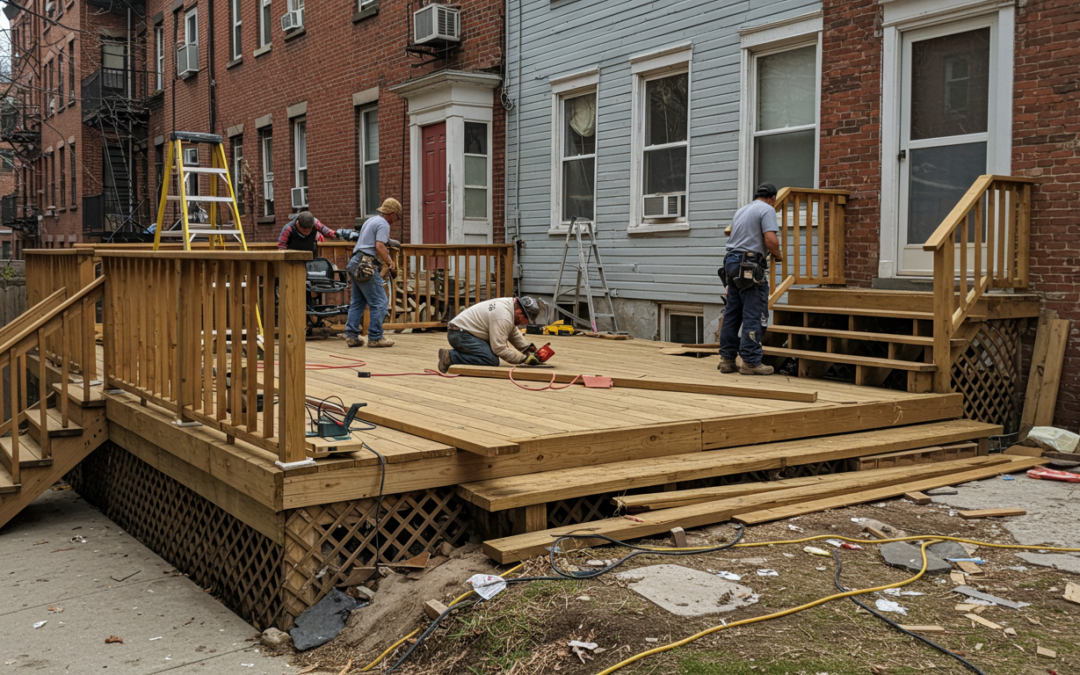
A good example of creating a powerful and attractive outdoor surface is installing pavers. Pavers are useful for patios, walkways and driveways. They are lightweight and long-lasting, attractive, and available in a variety of shapes and colours. This guide is simple and walks you through the complete installation process for outdoor use, should you wish to upgrade it. The instructions are simple to follow, even for novices.
How to Install Pavers
Plan Your Design
All good projects begin with a plan. Choose where to locate the patio or driveway. Measure the area carefully. Mark the area with spray paint or rope. Select the style and pattern of pavers. A plain grid or curves, or straight lines are perfectly fine. Planning is a time-saving strategy and will avoid future errors.
Check the Ground
A good base is required for paving installation. Begin by inspecting the ground in the marked region. Clear of all grass, all plants, all stones, and debris. Make sure the ground is dry. Ensure that the bottom is prepared, clean, and smooth, and that it assists the pavers to settle and support for many years.
Excavate the Area
And now you must excavate where the base materials are to be. For patios, dig about 4-6 inches. Driveways should be dug 8 -10 inches deep since they carry the weight of the vehicles. Maintain the depth throughout the entire space. Check with a level or a straight board.
Create a Slight Slope
Pavers need proper drainage. In the absence of drainage, the water may accumulate and destroy the surface. Your slope shall be made slender by putting one side of the slope below the other. This facilitates draining water from the house. A 1-inch-per-4-feet slope is sufficient.
Add the Base Material
The most significant section of the installation is the base. Use crushed stone or gravel. Pour over it in the excavated area. Add it in 2-inch layers. Each layer should be compacted using either a hand tamper or a plate compactor. A good foundation provides firm support for pavers and prevents sinking and movement.
Add the Sand Layer
Then, over the gravel base, a layer of coarse sand. It is sand that allows the pavers to be locked. Place the sand of about 1 inch and smooth it. Levelling A board that has been used in the long term will be good in the short run. Do not walk upon the sand when it is level. Keep it flat and even.
Lay the Pavers
Now the fun part begins. Begin laying the pavers on one side. You can lay them in straight lines or get any pattern you want. Fit all pieces closely together. Do not leave gaps. Gently tap each paver with a rubber mallet. This makes them straight and safe. Move slowly and check the level frequently. When a paver is excessively elevated, the sand under it can be chipped off. If it is too low, add more sand. Patience gives a beautiful finish.
Cut Pavers When Needed
There might be small or half pavers required for some areas. Clean cuts can be made with either a paver cutter or a masonry saw. Always wear safety gloves and glasses. The process of cutting is normal, and it is used to fit the design on corners or edges.
Install Edging for Support
Edge restraints matter since they hold the pavers in place and prevent them from moving. You can also use plastic, metal and concrete edging. Next, fit the edging closely around the outer edge then secure it with spikes. Good edging will provide a clean and stable outline for your patio or driveway.
Add Joint Sand
Once the pavers are laid down, sprinkle joint sand. This special sand is a locker of the pavers. Place it on the surface and brush it into the cracks. Moreover, make sure every gap is filled. This measure provides the pavers with strength and prevents weed growth between the pavers.
Compact the Pavers
Again, use the compactor but with a protective mat. This will make the pavers sink in the sand without being damaged. When the compaction is completed, then add additional joint sand when the gaps start to open. Again, sweep the sand and repeat the process until the joints are packed.
Rinse the Surface
Manually mist with water. This further assists in settling the sand. Do not soak the area. A gentle spray is enough. Check for any loose spots. If there are any cracks, fill them with sand and sweep it up.
Seal the Pavers (Optional)
It is not obligatory, but it is a good idea to seal. A paver sealer is used to prevent stains, fading, and weathering of the surface. It also provides the pavers with a rich, clean appearance. Apply using a roller or sprayer. Also, do follow the instructions on the label. When the patio/driveway is dry, then use it.
Maintenance Tips
Pavers are easy to maintain. Sweep the surface regularly. Rinse dirt with water. Fill up sand joints once or twice per year. You can change only a section that is stained or chipped off, or, in other words, you do not need to change the pavers. This is among the greatest advantages of paver usefulness.
The Bottom Line
Paving is an excellent home improvement job. When followed step by step, it is easy. Moreover, a good levelling and clean base means that your patio or driveway will remain strong for long.
Also, pavers can also be a value-add to your home and enhance your outdoor living.
Looking to Construct Your patio or Driveway?
If you require professional assistance, original design concepts, or high-quality materials, Decks N Stones is ready to assist. Check out Decks N Stones and get in touch to construct your outdoor space beautifully.