
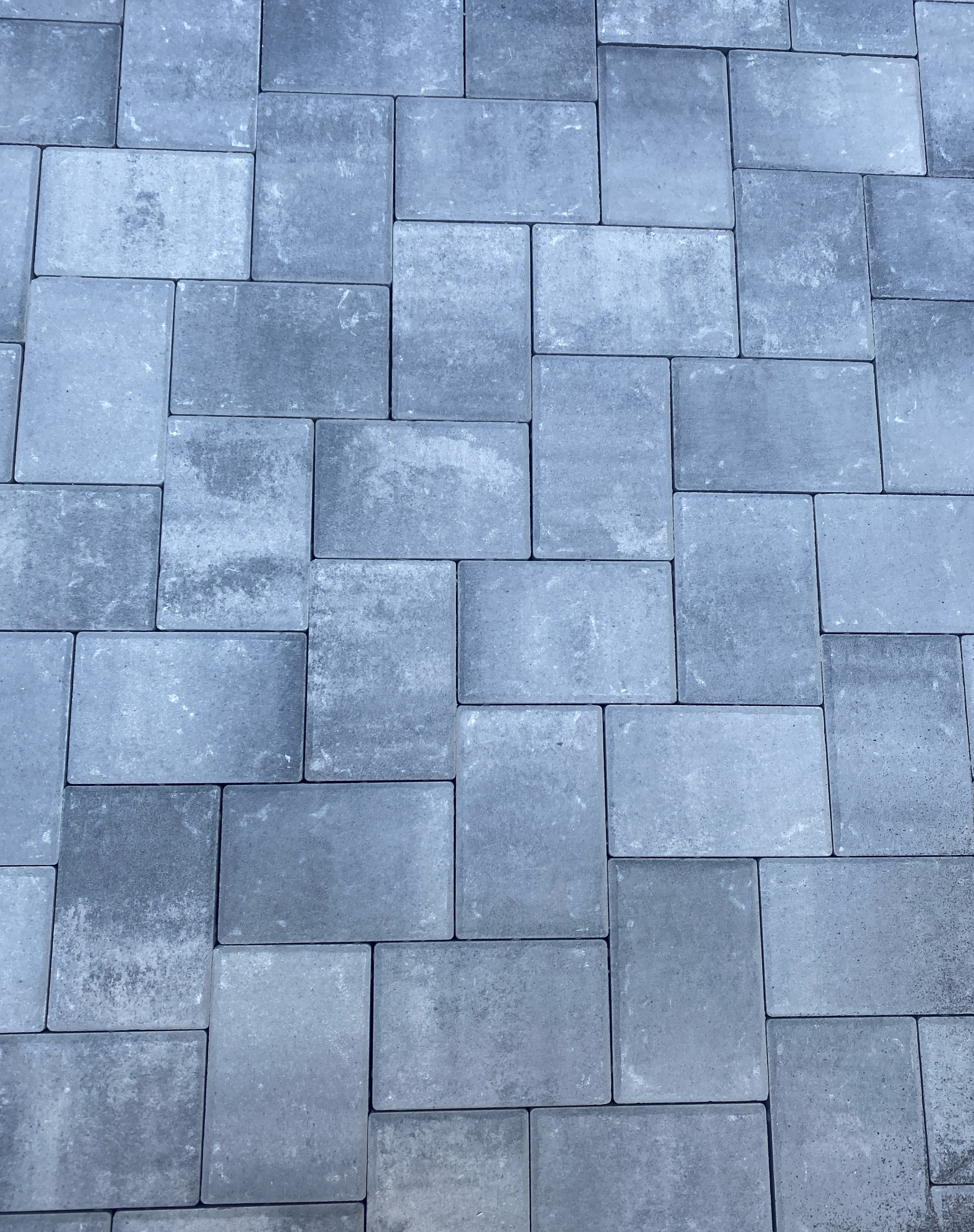
Pavers provide your outdoor environment with a clean and neat appearance. However, with time, the beauty can be destroyed by stains such as oil and rust. Such marks not only look bad but also may damage the surface when not treated. The good news is that it is possible to repair your pavers without having to change them. Your driveway or patio may appear to be clean once more with the correct cleaning measures.
Knowing about Oil and Rust Stains
Two of the most frequent and tenacious stains on pavers are oil and rust.
Sources of oil spills include leaking car tanks, grilling, or machinery. The petroleum flows through rock cracks and stains the surface.
Rust stains are a result of longer stays of metal furniture, grills, or tools on the pavers. When it rains or is moist, it reacts with the metal, producing orange-brown marks.
Being aware of the cause of the stain will assist you in the selection of the most appropriate cleaning procedure.
Step 1
- Clean up as fast as you can
- The faster you clean the stain, the better. Fresh oil or rust stains can be removed more easily. After soaking into the surface, they cannot be lifted as easily. So, don’t wait. Immediately you see a spill or mark, begin to clean it.
Step 2
- Gather Your Cleaning Supplies
- Proper tools are needed before you start. You’ll need:
- Stiff bristle brush (no metal)
- Dish soap or degreaser
- Baking powder or absorbent powder.
- White vinegar or lemon juice (rust)
- Clean rags or paper towels
- Warm water
- A bucket
It is always advisable to test any cleaner on a small area that is not visible first to ensure that it does not discolour the pavers.
Step 3
Removing Oil Stains
- Oil stains are tricky; however, with simple supplies, you can cope with them.
- Blot Fresh Spills
- In case the oil is new, dry it up as soon as possible with paper towels or a rag. Do not rub–it only spreads the oil.
Scrub with Soap or Degreaser
- Add running water with detergent or a cleaning agent. Wipe off the stained place using a stiff-bristle brush. Rinse with clean water.
- Do the same when required until the oil spot disappears.
- Employ Commercial Cleaner (Where Necessary).
- On old or deep stains, apply a paver-safe degreaser. Use the instructions of the manufacturer. Wash thoroughly to avoid any accumulation of residue.
Step 4
Removing the Rust Stain
We all know that the rust stains can sometimes be extremely stubborn and won’t come off no matter what you use. Therefore, using mild acids or rust removers can be helpful in this regard. Try using lemon juice. White vinegar is also a very good and effective option.
So, you just need to apply some amount of white vinegar to the stain and let it rest there for 10 or 15 minutes. The rust particles will soon react with the acid and will start dissolving.
Scrub it very gently.
Use a soft brush and wipe the affected area. Avoid the use of a metal brush at all costs. These will scratch the surface really bad, causing even more stains.
Rinse Well
You can also rinse it using hot water, then repeat the process until the marks disappear.
Use a Commercial Rust Remover (Optional)
In case of not succeeding with the natural methods, apply a rust remover on pavers. Use cautiously and refer to label directions. Wear eye protection and gloves whenever working with chemical cleaners.
Step 5
Rinse then Inspect
Clean after rinsing the area with fresh water. Afterwards, check if any stain remains. Repeat the steps should there are more stubborn marks that want to be removed. However, for older stains, you might need to clean over and over again.
Step 6
Prevention of Stains in the Future
- Cleaning is more difficult than prevention. Some easy measures can be taken to secure your pavers:
- Seal your pavements: Use a good paver sealer after every one or two years. It forms a protective coating that prevents the infiltration of oil and rust.
- Clean spills immediately: Oil and rust-forming metals should not be allowed to linger too long.
- Install paver mats or trays: Put them beneath grills, car bodies, or gardening instruments to collect drips and leaks.
- Dry up the area: Standing water predisposes rust. Make sure that your patio or driveway is well-drained.
When to Call a Professional
When you have done all you could and yet the stains are not coming off, time to enlist the services of professionals. Paver cleaners are professionals who employ special equipment and environmentally-friendly chemicals that do not destroy pavers. Also, they can re-seal the surface and prevent future stains.
The Bottom Line
Even the most beautiful pavers may be old and worn when they have oil and rust stains. However, with a few steps and the appropriate cleaning techniques, you may restore them to life. It is best to identify the kind of stain and, thereafter, apply simple household cleaners or professional-grade solutions to the deeper ones.
Prevent your outdoor area by cleaning it on a regular basis. A well-sealed and clean patio or driveway is not only good to beautify your home, but also makes your pavement last longer.
Then the next time oil is dripping or rust is coming out, you need not be afraid. Take your brush, roll to work, and polish your pavers like the masters at Decks N Stones.