
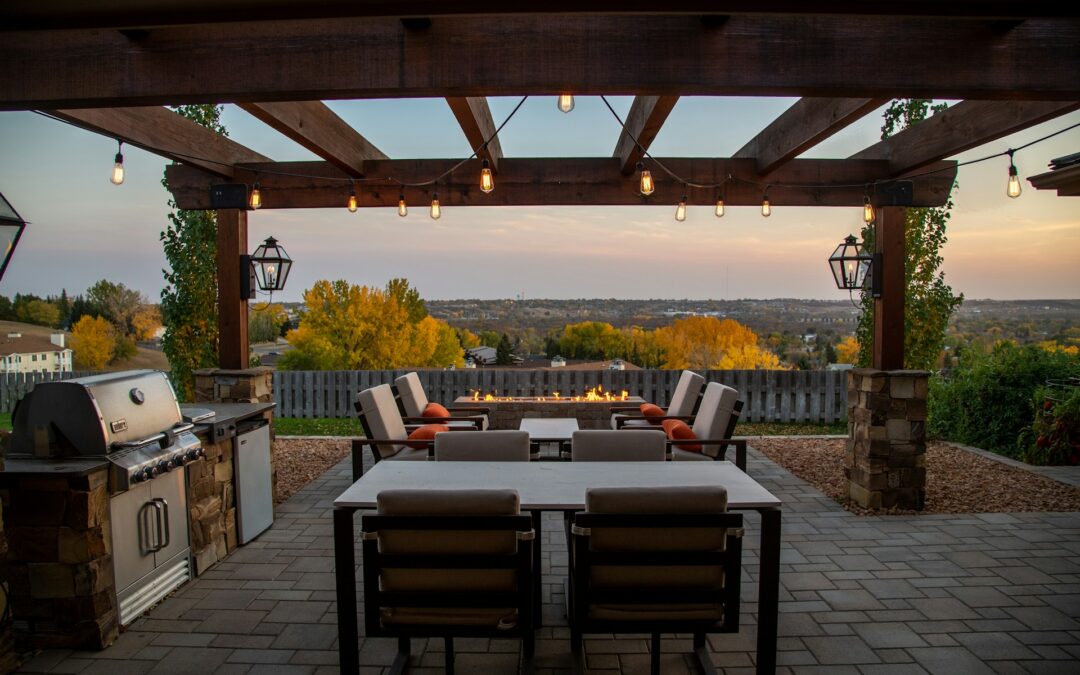
Building a deck or patio is one of the best ways to extend your living space outdoors. It becomes a place where you relax, entertain, and enjoy the open air without leaving home. The process, however, involves more than simply putting down boards or laying stones. It takes planning, preparation, and patience to get it right.
If you know what to expect before you start, you’ll avoid surprises and feel more confident in your investment.
The Journey of Building a Deck or Patio
Building a deck or patio is not just a weekend project. It’s a step-by-step process that transforms an empty or unused space into something that feels like an outdoor room. Think of it as a journey with different stages. Each one plays an important role in shaping the final result.
1- Planning Your Vision
The first step is deciding what you want from your outdoor space. Think about how you’ll use it most. Do you want a cozy corner for morning coffee? Or a large open area for hosting weekend parties? The purpose will shape everything else.
This is also the stage where you’ll sketch out ideas, browse inspiration online, and maybe meet with a contractor or designer. The more detailed your vision, the smoother the project will go.
2- Choosing Materials
Materials can make or break the look and feel of your deck or patio.
- Wood gives you warmth and natural charm, but it needs sealing and regular maintenance.
- Composite lasts longer, resists rot and insects, and requires less upkeep, though it comes at a higher price.
- Concrete patios are sturdy, versatile, and can be stamped or stained for a unique look.
- Stone or pavers create a timeless, elegant surface, but they require careful installation to stay level.
Each choice affects cost, durability, and style. Match your decision with your lifestyle and budget.
3- Budget and Timeline
Be realistic about costs. Material, labor, and permits all add up. A small patio may be affordable, while a large deck with railings and built-ins could cost much more.
Set aside a cushion for unexpected expenses. Soil problems, weather delays, or design changes can shift your budget quickly.
As for time, a simple patio might take a few days. A larger, multi-level deck could take several weeks. Knowing this upfront helps you set realistic expectations.
4- Permits and Regulations
Many homeowners are surprised to learn they need permits. Decks almost always require them because they are considered structural additions. Patios may also need approval, especially if they affect drainage or are raised above ground level.
You’ll usually need to provide drawings or detailed plans. Inspections may also be required during and after construction. If you hire a professional, they often handle this step for you. If you’re going the DIY route, you’ll need to check with your local building department.
5- Site Preparation
Before construction begins, the area must be prepared. This may include:
- Clearing grass, plants, or old structures
- Leveling and grading the soil
- Marking utility lines to avoid hazards
- Setting footings for decks or a base layer for patios
Site preparation is not the glamorous part, but it’s critical. A strong foundation means your deck or patio will last for years without problems.
6- The Building Process
Once the site is ready, the construction begins. For decks, this means installing posts, beams, and joists before laying the boards. For patios, it means adding layers of gravel and sand before placing stones, pavers, or pouring concrete.
This phase brings noise, dust, and lots of activity. Crews may need access to your yard with equipment, which can temporarily disturb your landscaping. Be prepared for the mess. The good news is that this is when you see your outdoor space take shape.
7- Finishing Touches
The details bring your deck or patio to life. For decks, this may include railings, stairs, lighting, or even built-in benches. For patios, it might be decorative borders, patterns in the pavers, or custom seating walls.
Finishes like stain, paint, or sealant protect your investment and enhance the look. This is also the stage when landscaping around your new space makes it feel complete.
8- The First Use
Once everything is done, you’ll be ready to enjoy it. Place furniture, add plants, and start using your outdoor retreat. The first gathering or quiet evening on your new deck or patio will make the entire process worth it.
Conclusion
Building a deck or patio is a journey that takes planning, time, and investment. You’ll go through design decisions, permits, construction mess, and finishing touches. But once it’s complete, you’ll have a beautiful space that adds value to your home and joy to your daily life.
If you’re ready to start, take the first step today. Define your vision, set your budget, and explore material options. Whether you hire a professional or take the DIY route, knowing what to expect will help you enjoy the process.
Your future deck or patio isn’t just an addition to your home. It’s an investment in comfort, memories, and time spent outdoors.
FAQs
A basic patio can take three to five days. A mid-sized deck usually takes two to four weeks. Large or custom projects may take longer, especially if weather delays occur.
Decks almost always require permits. Patios may not if they are ground-level, but rules vary by city. Always check before starting.
Composite decking and paver patios are the easiest to care for. They resist rot, pests, and fading with minimal upkeep.
If you have experience with tools, small patios can be a DIY project. Decks often require professional help due to structural and safety concerns.
Clean it regularly, sweep off debris, and handle stains right away. For wood decks, apply stain or sealant every couple of years. For patios, keep weeds out of joints and reapply sand between pavers as needed.