
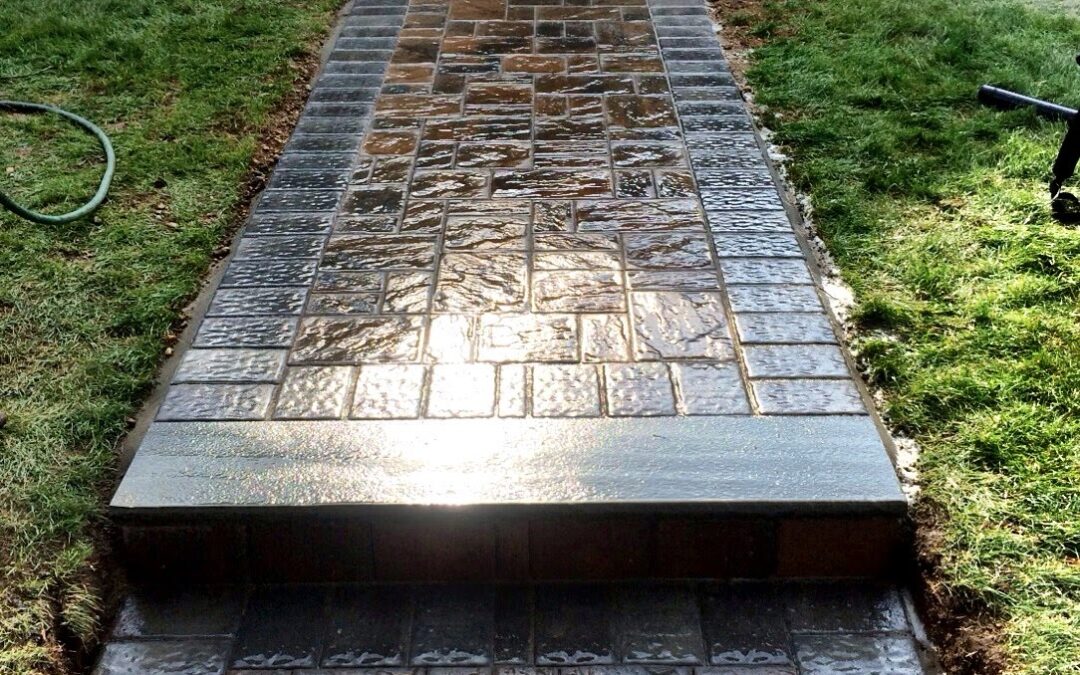
Outdoor slips and falls are a leading cause of household injuries, with wet and slippery surfaces accounting for a significant percentage of outdoor accidents each year. According to safety reports, thousands of injuries occur annually due to slick walking surfaces, especially on wood and composite decks exposed to rain, humidity, and organic buildup.
Over time, moisture, algae, and worn finishes reduce surface traction, increasing the risk of falls for homeowners, guests, and pets. Understanding why deck surfaces become slippery and how to improve traction is essential for maintaining both safety and long-term deck performance.
It is not only an annoyance that slippery deck surfaces represent a safety hazard. A single slippery area can make an otherwise inviting outdoor area a hazard to children, visitors and pets. Why does your deck become slippery, and how should you fix it? Let’s find out.
The Nature of a Slippery Deck Surface
A number of events can transform your deck into a slip-and-slide when it rains or when it is humid.
Moisture and Algae Growth
Moisture is the main culprit. Water, dew and humidity that remain on deck boards provide a good habitat to algae, moss and mildew. These creatures create a coating that is thin and oily and that significantly decreases traction.
Smooth or Worn-Out Finishes
Foot traffic erodes the textured surfaces over a period of time, and the boards are smooth and polished. A smooth wood or composite floor is a good surface, but very unsafe in wet conditions.
Shaded Areas
Decks that are in the shade of trees or other shaded buildings dry slower. The moisture allows the growth of organisms and provides more time before surfaces get dry.
Dirt, Pollen, and Debris
Dirt and pollen can create a fine layer on deck boards even in the absence of algae. That film is unexpectedly slippery when wet.
Why Deck Safety is More of an Issue Than You Think.
A greasy floor is not only inconvenient, but it is also a liability issue. Children and elderly people are often hurt during falls on the ground. In the case of hosting parties or where the deck is frequently used by family members, enhancing traction should be given priority.
In addition to personal safety, an unsafe deck may reduce the value of property and increase insurance fees. The presence of a well-maintained, slip-resistant deck is an indicator of responsible ownership and high-quality construction.
How to Make Your Deck Surface Safer?
The positive side: it is not necessary to completely rebuild the deck to make it safer. The following are effective practical solutions.
Clean Your Deck Regularly
The algae, dirt and grime are eliminated by a good cleaning. Clean this using a deck cleaner or use a mild detergent with a stiff brush or a gentle pressure washer so that the wood does not get damaged. The simple cleaning can reduce slipperiness by half.
Apply Anti‑Slip Coatings
The sealers that are used as anti-slip deck coatings are additives with fine grit content to increase traction. Its products can be used on wood and composite decks, with the choice of clear finish or tinted material, allowing you to maintain the appearance and leave the aspects of safety.
Add Non‑Slip Strips or Tape
In places like stairs or doorways that have heavy traffic, non-slip strips or tape provide additional traction. They are cheap, simple to install, and very efficient, particularly during the wet weather.
Improve the Drainage and Sunshine.
Cut hanging branches and create better air circulation around your deck to dry more quickly. The drainage should be done well to avoid the pooling of water, which will in turn reduce the chances of accumulation of algae and mildew.
Select the Appropriate Decking Material.
You should use composite boards with a texture or treated wood with an installed slip-resistance in case of building or renovation. The modern decking materials have been designed to be safe and durable.
Long‑Term Prevention Tips
Avoiding slippery floors is less difficult than repairing them on a recurring basis. Keep these habits in mind:
Clear debris frequently to ensure that there is no grime formation.
Re-seal wood decks after several years to retain texture and protection.
Monitor dark spots more frequently to check against the growth of algae.
Fix broken or deteriorated boards.
Even minor maintenance will save your deck and make it look good.
When to Reach Decking Professionals.
When cleaning and treatments cannot make your deck stop being slippery, or boards are warped, rotten, or irregular, call a professional. Safety hazards may be enhanced by structural issues, and a professional evaluation will ensure your deck is up to the current standards.
At Decks N Stones, we are dedicated to making the outdoor space beautiful, safe, and sturdy. You might require cleaning tips, surface treatments, or a total overhaul, but expert advice can alter the whole picture.
A deck is not a place to fall on but a place to laugh, to relax and converse late into the night. Make the slippery areas safe today, and be able to spend your time outside without fear of the rain or the sun.