
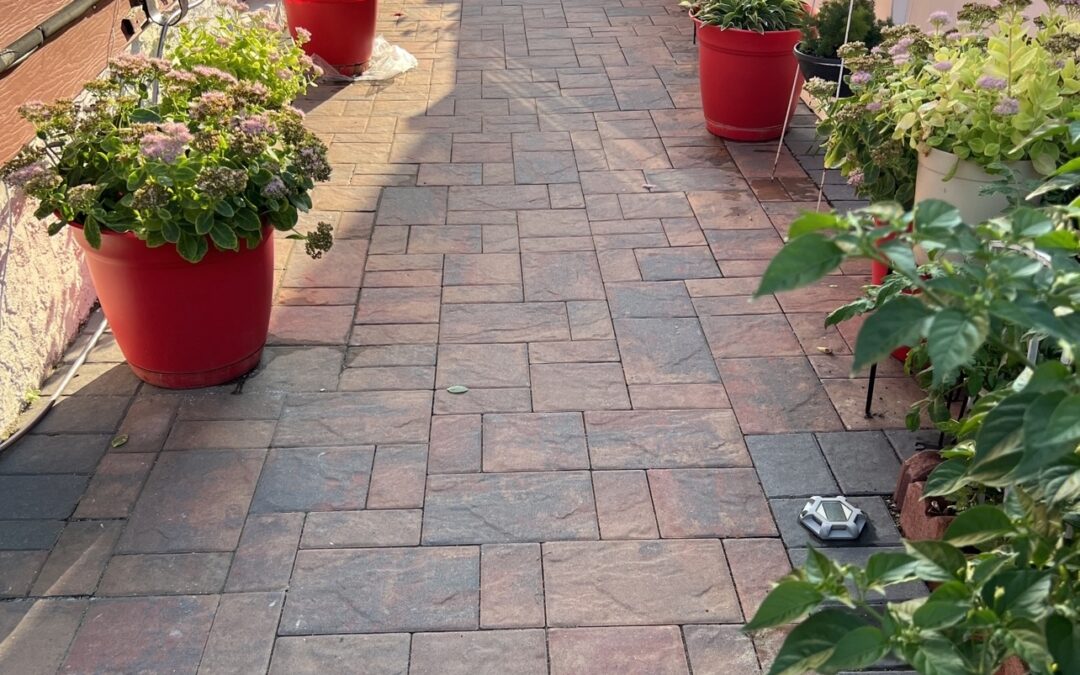
When planning your driveway, patio, or walkway, the type of pavers you choose makes a significant difference. You want something durable, attractive, and within your budget. Brick and concrete pavers are two of the most common options. Each comes with unique strengths and trade-offs. The right choice depends on what matters most to you.
Brick vs. Concrete Pavers: Breaking It Down
Brick and concrete pavers are often used for patios, walkways, and driveways. At first glance, they may seem similar, but the differences are noticeable once you compare them closely.
1- Appearance and Style
Brick pavers give a timeless, classic look. They are made from natural clay and baked in a kiln. Since the color comes from the clay itself, it doesn’t fade easily. Brick is a solid choice if you want a traditional or rustic style.
Concrete pavers come in a wide range of shapes, colors, and textures. They can even mimic natural stone or wood. Because they are manufactured, you get more flexibility in design. If variety and modern styles appeal to you, concrete pavers may fit your project better.
2- Durability and Longevity
Brick pavers are durable and handle heavy loads well. They resist stains and fading, making them a dependable long-term option. The main drawback is that they can chip or crack under extreme pressure.
Concrete pavers are also strong but not quite as long-lasting as brick. Their color can fade over time with sun exposure. Still, they can handle heavy traffic if installed correctly. Sealing them helps extend their lifespan.
3- Cost and Installation
Concrete pavers usually cost less than brick. They are easier to produce and come in many options, which makes them a budget-friendly choice. Their uniform shape also makes installation simpler.
Brick pavers are more expensive because of the natural materials and kiln process. Installation can also take longer, as bricks are heavier and require more precision.
4- Maintenance and Repairs
Brick pavers need very little maintenance. They hold their color, resist fading, and can be cleaned easily with soap and water. If one cracks, you can replace it without much trouble.
Concrete pavers require more upkeep. Sealing is recommended to protect their surface and color. If one cracks, you can replace it, but matching the color may be harder if the others have faded.
5- Eco-Friendliness
Brick pavers are made from natural clay, so they are an environmentally friendly choice. They are also recyclable and reusable.
Concrete pavers are less eco-friendly, but many manufacturers now follow sustainable practices. Some even produce permeable concrete pavers that help reduce water runoff.
Must Read
- Why Choose a Pergola for Your NYC Backyard?
- How to Clean and Maintain Pavers for a Fresh Look
- What to Expect When You Build a Deck or Patio
How to Choose the Right Pavers for Your Project
Consider Your Budget
If you are working with a limited budget, concrete pavers are usually the more affordable choice. They give you design flexibility without breaking the bank. Brick, on the other hand, costs more upfront but may save you money in the long run due to its durability.
Think About Style and Appearance
Brick gives a traditional, classic look. It works well for historic homes or outdoor spaces where you want a natural feel. Concrete pavers give you endless options in terms of style. If you want a modern design or a specific pattern, concrete might be the better fit.
Durability and Maintenance
Both brick and concrete are durable, but they behave differently over time. Brick maintains its color but may chip under pressure. Concrete can handle heavy loads but may lose its color. Sealing concrete pavers regularly can help extend their lifespan.
Climate and Environment
Brick is less likely to fade in the sun, making it a strong option in warmer areas. Concrete is more flexible in design, but it may need extra care in regions with freezing temperatures. Think about your local climate before deciding.
Long-Term Value
Brick offers lasting beauty and often increases property value. Concrete pavers are cost-effective and provide design freedom. Your choice depends on whether you value timeless charm or budget-friendly flexibility.
Conclusion
Both brick and concrete pavers can transform your outdoor space. If you want a natural, classic look with long-term durability, brick is worth the investment. If you prefer affordability, style options, and easy installation, concrete pavers may be the better fit. Think about your budget, design goals, and how much maintenance you want to handle before making your choice.
FAQs
Brick pavers are stronger and resist heavy loads, making them ideal for driveways. Concrete pavers can also work well if installed properly.
Not much. Since their color comes from natural clay, brick pavers hold their color longer than concrete.
Yes. Concrete pavers are generally more affordable and come in more designs and colors.
Concrete pavers benefit from sealing because it protects their color and surface. Brick pavers usually don’t require sealing.
Brick pavers are made from natural clay and can be recycled, making them the more eco-friendly choice.