
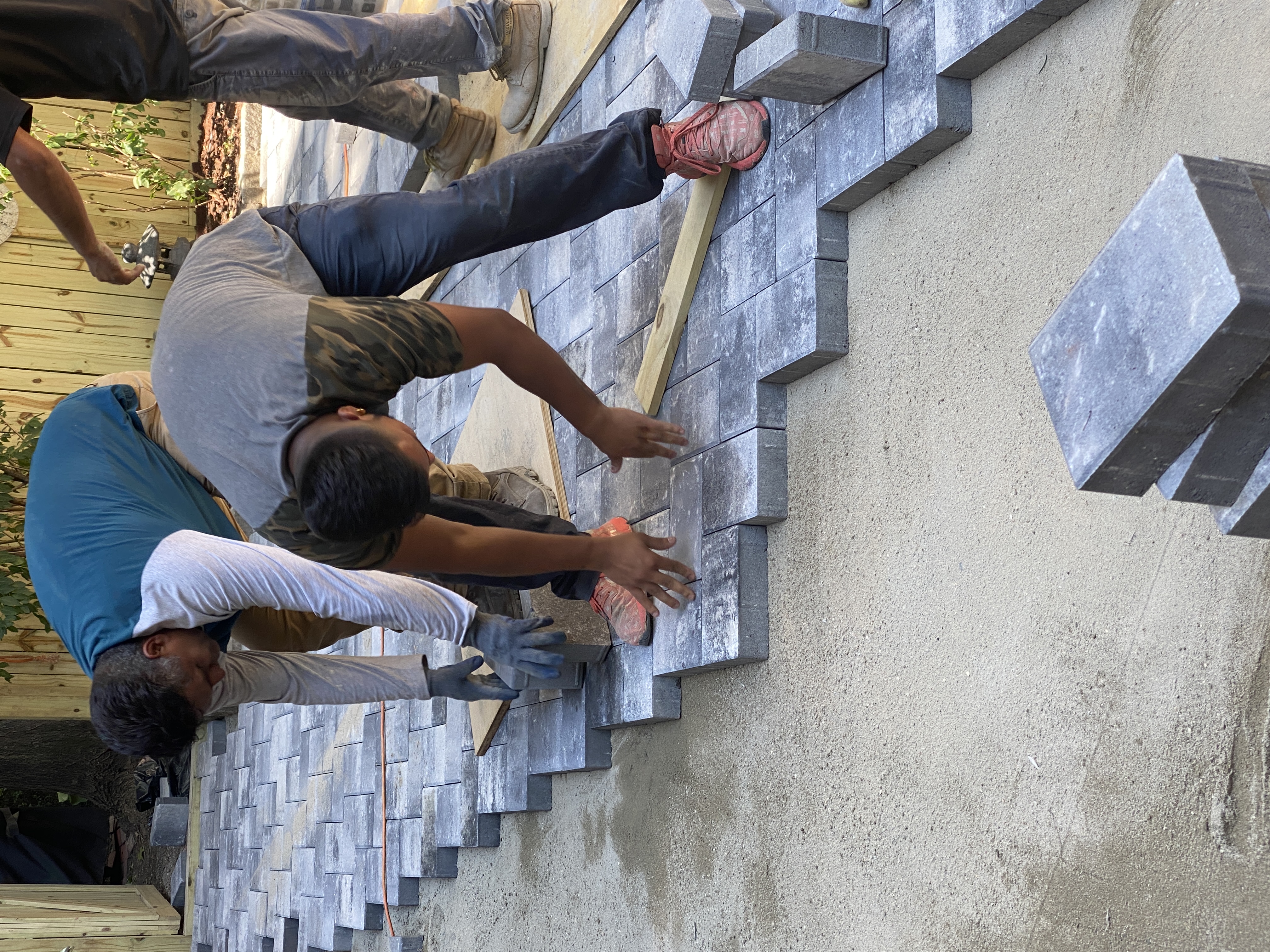
A deck is more than just an extension of your home. It is where you relax, entertain guests, or enjoy your morning coffee. When planning to build one, the biggest decision is whether you should go with a raised deck or a ground-level deck. Both options bring unique advantages, challenges, and costs. The right choice depends on your lifestyle, the layout of your home, and your budget. Understanding the differences will help you design a space that matches your vision and serves your needs.
Understanding the Basics of Deck Designs
Before comparing both styles, you should know what defines a raised deck and a ground-level deck.
What Is a Raised Deck?
A raised deck is built above ground level, usually attached to the second floor or higher sections of your home. It often requires support beams, stairs, and railings. This type is common in homes with uneven landscapes, slopes, or elevated entry points. It creates a great outdoor space with a view.
What Is a Ground-Level Deck?
A ground-level deck, also called a patio deck, sits close to the ground. It is typically built less than a foot above the surface. Because it is low to the ground, it usually does not need railings or tall support structures. This type works best in flat backyards and is often easier and faster to build.
Benefits of a Raised Deck
Raised decks are popular for homes with slopes or higher back entries. They offer many benefits that can add beauty and functionality to your property.
Better Views
With a raised deck, you enjoy elevated views of your surroundings. If your home overlooks a garden, cityscape, or waterfront, a raised deck highlights those features. It also provides a more open atmosphere compared to sitting on ground level.
Ideal for Sloped Yards
Not all properties are flat. If your backyard slopes downward, building a ground-level deck may not be practical. A raised deck solves this problem by leveling the surface through support posts. This gives you usable outdoor space where you would otherwise have none.
Added Storage or Living Space Underneath
The area beneath a raised deck can serve as storage or be enclosed to create extra living space. Many homeowners use it to store garden tools, outdoor furniture, or firewood. You can also turn it into a shaded patio or even an outdoor kitchen.
Increased Home Value
A raised deck often adds strong resale value because it looks impressive and maximizes your property’s potential. Buyers are drawn to the visual appeal and practicality of a well-built elevated deck.
Benefits of a Ground-Level Deck
Ground-level decks are more straightforward in design but just as rewarding. They work well for many modern homes, especially with open backyard spaces.
Easy to Build
One of the main attractions of a ground-level deck is its simplicity. Since it sits low to the ground, you don’t need complex framing or support beams. This often reduces the time and cost of construction.
Cost-Effective
Because the design is simple, you save on both materials and labor. You may also skip expensive features like tall railings or stairs. If you want an affordable way to upgrade your outdoor living, a ground-level deck is an excellent option.
Blends With Landscaping
Ground-level decks blend seamlessly with gardens, lawns, or pathways. You can surround them with plants, flower beds, or stonework for a natural flow between your deck and yard. This design often feels more integrated with the outdoor environment.
Safer for Families
If you have children or elderly family members, ground-level decks are safer. The lack of height reduces fall risks. You can also avoid the extra maintenance that comes with railings and stairs.
Challenges of Raised Decks
While raised decks offer impressive features, they also come with challenges you need to consider.
Higher Costs
Raised decks often require more materials and professional labor. Support posts, stairs, and railings add to the expense. Maintenance costs may also be higher over time.
Building Codes and Permits
Since raised decks are elevated, they must meet strict local building codes. Permits are almost always required, and inspections may be frequent. This can slow down your project if not planned carefully.
Maintenance
The higher structure means more exposure to wind, rain, and sun. Over time, this may require more frequent repairs or staining to maintain durability and appearance.
Challenges of Ground-Level Decks
Ground-level decks have their own set of limitations, especially in certain environments.
Limited Views
Since you remain at ground height, you don’t benefit from elevated views. If your property is surrounded by walls, fences, or trees, the space may feel more enclosed.
Drainage Concerns
Being so close to the ground can create drainage problems. Without proper planning, water may pool under or around the deck, leading to wood rot or insect infestations.
Shorter Lifespan
Because of constant ground moisture, ground-level decks may not last as long as raised decks. Choosing the right materials and maintaining proper ventilation can help extend their life.
Key Factors to Help You Decide
When deciding between a raised or ground-level deck, think about your property’s layout, your lifestyle, and your budget.
Budget Considerations
If cost is your top priority, a ground-level deck is usually more affordable. A raised deck, while more expensive, may give you higher long-term value if you plan to sell your home.
Yard Layout
Flat yards are perfect for ground-level decks. Sloped or uneven yards often require raised decks for practical use.
Safety and Accessibility
Families with kids or seniors may prefer ground-level decks because they are safer and easier to access. Raised decks require careful safety features like railings and non-slip stairs.
Aesthetic Preference
Do you prefer an open view or a cozy space that blends with your garden? Your design preference will also play a major role in your choice.
Design and Material Options
Both raised and ground-level decks allow you to customize designs and materials.
Material Choices
You can build either type using wood, composite, or PVC materials. Pressure-treated wood is affordable but requires regular care. Composite decking is low-maintenance and long-lasting, though more costly upfront.
Custom Features
Raised decks can include built-in seating, pergolas, or multiple staircases. Ground-level decks often pair well with outdoor kitchens, fire pits, or garden borders. Think about how you want to use the space daily and design around that purpose.
Which Deck Works Best for You?
The decision comes down to your property and your lifestyle. If you want a spacious view, extra storage, and your home has a higher entry point, a raised deck is the right choice. If you want an affordable, safe, and cozy extension that flows into your yard, a ground-level deck is better. Both designs can transform your outdoor space into a functional and inviting retreat.
Frequently Asked Questions
In many areas, ground-level decks under a certain height may not require a permit. However, it depends on your local building codes. Always check with your city before starting construction.
With proper care, a raised deck can last 20 to 30 years. Ground-level decks may have a shorter lifespan because of direct contact with ground moisture, but high-quality materials can extend durability.
Yes, many homeowners build ground-level decks as DIY projects because the design is simpler. If you have basic carpentry skills, it can be a rewarding project. Raised decks, however, usually need professional help.
A raised deck often adds more resale value because of its size, design, and potential for extra storage. However, a well-designed ground-level deck can also boost curb appeal and attract buyers.
A ground-level deck is generally less expensive, often costing 30 to 40 percent less than a raised deck of the same size. The exact cost depends on materials, labor, and design features.