
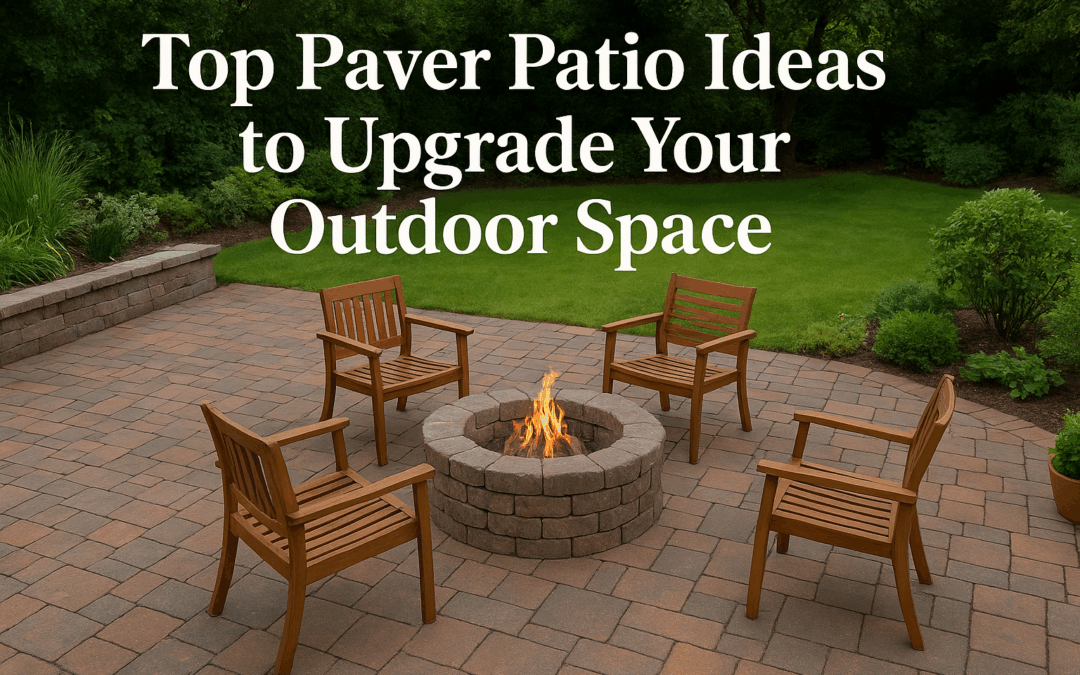
Your outdoor space deserves the same attention as your interiors. A well-designed patio can change how you use your backyard, whether for family gatherings, outdoor dinners, or quiet mornings with coffee. Paver patios are among the best ways to add beauty, function, and value to your home. They give you design flexibility, lasting durability, and a custom look that reflects your style. If you are ready to improve your yard, here are the top paver patio ideas that can inspire your next project.
Top Paver Patio Ideas
Pavers offer versatility and charm that concrete slabs or wood decks cannot match. You can select from stone, brick, or concrete pavers. Each option gives you a different texture and look. Pavers also handle heavy use and weather well. They resist cracking and can be replaced one piece at a time if damaged.
A paver patio is more than just flooring. It creates an outdoor room where you can relax, entertain, and enjoy nature. The design options are endless, and you can customize them to fit both small and large spaces.
1. Classic Brick Layout
Brick pavers bring timeless charm. Their natural red tones give your patio a warm and inviting look. You can set them in a simple running bond pattern or go for herringbone for a bolder design. Brick works well if you love a traditional feel in your backyard. It also pairs beautifully with gardens and wood furniture.
2. Sleek Modern Concrete Pavers
If you like clean lines and minimalism, concrete pavers are a perfect choice. Large concrete slabs create a modern look with fewer joints, giving your space a smooth finish. You can choose light gray or darker shades to match your exterior walls. Add some greenery around to soften the bold style.
3. Natural Stone Elegance
Natural stone pavers such as bluestone, limestone, or flagstone bring elegance. Each piece has unique color variations, giving your patio a custom, upscale feel. Stone looks beautiful around pools or as a transition from your home into a garden. It also blends well with outdoor fireplaces or water features.
4. Mixed Materials
You do not have to stick with one material. Mixing stone and brick, or concrete and wood, creates contrast and interest. For example, use stone as the main patio surface and add a brick border for definition. This layered approach gives your patio personality and depth.
5. Pattern Play with Pavers
The way you arrange pavers can change the entire look of your patio. Popular patterns include herringbone, basket weave, or circular layouts. Each pattern brings its own character. A circular pattern can create a focal point in the center, perfect for a fire pit.
6. Multi-Level Patios
If your yard has uneven ground, a multi-level patio is both practical and stylish. You can use steps and retaining walls to separate areas for dining, lounging, or cooking. Multi-level designs give your backyard a structured and luxurious look.
7. Fire Pit Patio
A fire pit surrounded by pavers can become the heart of your outdoor gatherings. You can design a round seating area with stone or brick pavers. The warm glow of the fire against natural textures makes the space cozy all year round.
8. Outdoor Kitchen and Dining Area
Turn your patio into a full outdoor kitchen with a grill, counter space, and dining zone. Concrete or natural stone pavers provide a sturdy base for heavy equipment. You can define the kitchen area with a different paver color or border. Add string lights above for evening dinners.
9. Rustic Cobblestone Charm
Cobblestone pavers bring an old-world charm. They look perfect in cottages or traditional homes. Their textured surface gives character and works beautifully with lush landscapes. Cobblestones are also durable, making them ideal for high-traffic areas.
10. Poolside Patio Retreat
If you have a pool, extend your relaxation with pavers. Natural stone, porcelain, or concrete pavers are slip-resistant and handle water well. Light-colored pavers keep the area cooler under the sun. Add lounge chairs and umbrellas, and you have a resort-like retreat.
11. Garden Path and Patio Combo
Blend your patio with winding garden paths. Use the same pavers for both to create a seamless flow. This idea works well if you love greenery and want your patio to feel part of the garden. Add low lighting along the path for a magical evening effect.
12. Cozy Courtyard Design
Even small spaces can benefit from pavers. Create a courtyard-style patio with compact pavers and vertical garden walls. Add a small fountain or seating nook. The enclosed feel makes it private and intimate.
13. Geometric Designs
Square and rectangular pavers allow you to experiment with geometric layouts. Create grids, diamond shapes, or zig-zag designs. Pair neutral shades with bold accent pavers for a striking look. This idea works especially well in modern homes.
14. Patio with Pergola
A pergola adds shade and structure. When combined with a paver patio, it turns the space into an outdoor living room. You can grow climbing plants on the pergola for extra charm. Choose stone or concrete pavers that complement the wood frame.
15. Eco-Friendly Permeable Pavers
Permeable pavers allow rainwater to pass through, reducing water runoff. They are a smart choice if you want a sustainable design. You can use them in driveways, patios, or pathways. Their practical function does not take away from beauty, as they come in many styles and colors.
How to Choose the Right Pavers for Your Patio
Consider Your Style
Your patio should reflect your taste. If you prefer classic looks, brick or cobblestone might suit you. For modern styles, large concrete slabs or sleek stone work well.
Think About Durability
Different pavers handle weather differently. Stone is long-lasting and elegant, but it may need sealing. Concrete is affordable and durable, but it can fade over time. Brick stays strong but may shift without a solid base.
Match with Landscape
Your patio should blend with your outdoor features. Light stone may look good around a pool, while darker brick fits better in a garden. Always consider the natural surroundings.
Budget and Maintenance
Your budget will guide your choices. Concrete is usually most cost-effective. Natural stone is the most expensive but adds great value. Also, think about maintenance. Some pavers require sealing, while others need regular cleaning.
Design Tips to Upgrade Your Outdoor Space
- Add Borders and Edging: Borders define the patio space and keep pavers secure. Use contrasting colors to make the edges pop.
- Use Outdoor Furniture Wisely: Furniture placement can make or break the design. Keep enough space for walking and movement. Use weather-resistant furniture that matches the style of your pavers.
- Lighting Matters: Install pathway lights, string lights, or built-in patio lighting. Lighting extends your patio use into the evening and adds ambiance.
- Greenery and Decor: Planters, shrubs, or flower beds around the patio soften the look. A mix of greenery with stone or concrete makes the space feel more inviting.
Conclusion
A paver patio can transform your backyard into a personal retreat. With so many design options, from classic brick to modern stone, you can find a style that matches your vision. Add thoughtful touches like lighting, borders, or greenery, and your patio will become the most loved spot in your home. Whether you want a quiet corner for mornings or a lively space for gatherings, the right paver patio idea will help you create it.
FAQs
A well-installed paver patio can last 25 to 50 years. Proper base preparation and sealing extend its life.
Yes, you can if you have the right tools and patience. However, hiring professionals ensures the base is strong and prevents shifting.
Costs vary by material. Concrete is usually budget-friendly, while natural stone is higher in price. Overall, pavers offer great value for their durability.
Not much. Regular sweeping, occasional power washing, and resealing every few years are enough. You may also need to add sand between joints over time.
Yes. One of the main benefits of pavers is that you can replace single pieces without disturbing the rest of the patio.