
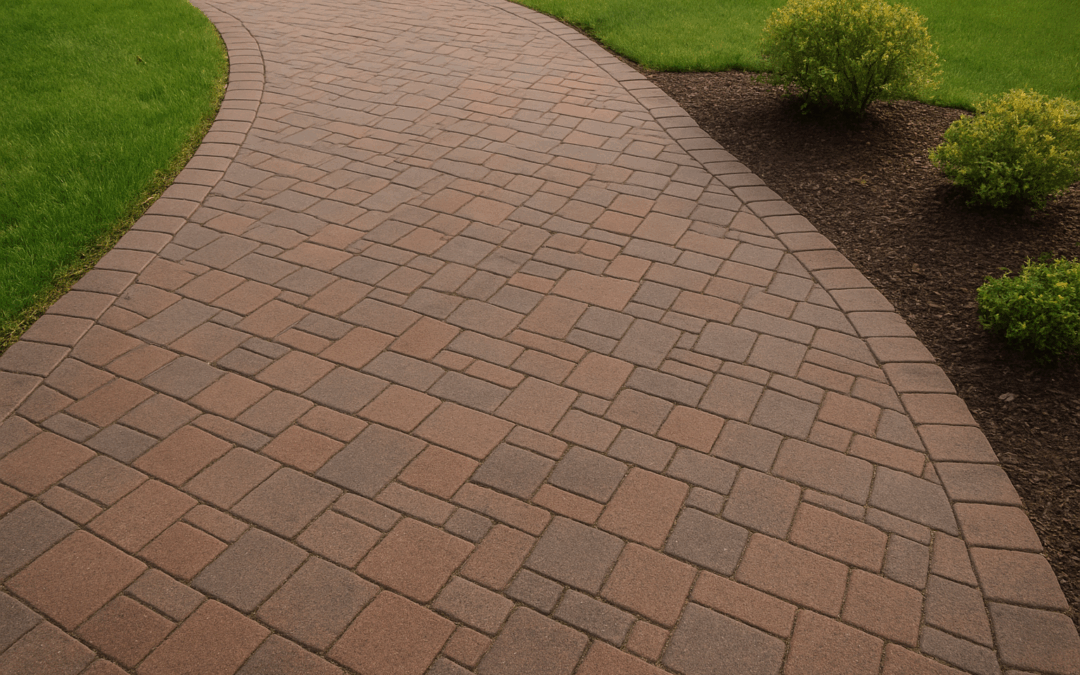
Outdoor pavers are built to last, but they cannot stay in perfect shape without your attention. Over time, they face weather changes, stains, and daily use that slowly affect their look and strength. If you want your patio, driveway, or walkway to remain beautiful and safe for years, seasonal care is essential. Many homeowners overlook this and only focus on repairs when something breaks. The truth is, consistent upkeep prevents those costly repairs in the first place. With the right routine each season, you can protect your investment and enjoy a fresh, clean outdoor space all year. So keep on reading to know Seasonal Paver Maintenance Tips.
Spring Maintenance: Bringing Pavers Back to Life
After months of snow, frost, and salt, spring is the season your pavers need the most attention. Winter often leaves behind dirt, debris, and even minor damage that is easy to miss at first glance. Start by giving your pavers a thorough cleaning. A simple sweep removes loose leaves, branches, and grit. For deeper cleaning, use a gentle detergent mixed with water and scrub stains left by salt or mud. Pressure washing works, but use it carefully, as too much force can remove the sand that holds pavers in place.
Spring is also the time to inspect the surface for unevenness. Freezing and thawing may shift the ground, causing some pavers to rise or sink. Walk across your patio or driveway and check for wobbling pieces. If you find any, lift the affected paver, smooth the sand base, and set it back firmly. This simple fix prevents tripping hazards and keeps your surface looking neat.
Another important step in spring is maintaining the joints between pavers. Rain and snow can wash away the sand, leaving gaps where weeds take root. Refill the joints with polymeric sand and sweep it evenly across the surface. Once misted with water, the sand hardens and locks the pavers in place, reducing weed growth and keeping the structure stable. Finally, if your sealer has worn off, spring is a good season to apply a new coat. A fresh sealer protects against stains and restores color that may have dulled over winter.
Summer Maintenance: Protecting Pavers from Heat and Heavy Use
Summer brings sunshine, long days, and plenty of outdoor gatherings. While your pavers may look their best under the bright sun, this season puts them under a different kind of stress. UV rays can fade colors, food and drink spills happen during barbecues, and weeds tend to grow faster in warm weather. Taking preventive steps during the summer will help your pavers stay vibrant.
Start with regular cleaning. During this season, dirt and stains are more noticeable on dry surfaces. Wash away spills as soon as they happen, especially oil, grease, or acidic drinks like wine and soda. Leaving them too long can leave permanent marks. For oil stains, a specialized cleaner is better than household soap.
Weeds are another summer challenge. They push through gaps quickly and spread if ignored. Pull them out before they root deeply, and make sure the joints remain filled with sand to block regrowth. Also, keep an eye out for ants, which sometimes build nests between pavers. If you see small sand piles forming, use a safe insect treatment before the problem spreads.
The sun can also cause fading. If your pavers start to lose their rich color, a UV-resistant sealer helps restore brightness and protects the surface from further damage. Applying it in summer ensures your pavers keep their natural beauty while withstanding heavy foot traffic from family and guests.
Fall Maintenance: Preparing for Winter Challenges
Fall is a transitional season, and what you do now determines how well your pavers survive the winter months ahead. The first task is clearing fallen leaves. While they may look harmless, wet leaves can stain the surface if left for too long. Sweep them away regularly to keep your patio or walkway clean.
This season is also the best time for a deep cleaning. Moss and algae often grow during summer, especially in shaded or damp areas. If not removed, they can become slippery when wet, creating safety risks. Scrubbing or gently pressure washing removes these growths and prepares the surface for sealing.
Cracks and small gaps need attention before freezing temperatures arrive. When water seeps in and freezes, it expands, making small cracks much larger. Take time in fall to inspect your surface and repair any damage. Applying a protective sealer during this season creates a shield against ice, snow, and de-icing products. The sealant helps keep moisture out, reducing the risk of freeze-thaw damage.
By the time winter arrives, your pavers will be in the best possible condition to face harsh conditions. Think of fall maintenance as building a strong defense for the cold season ahead.
Winter Maintenance: Protecting Pavers from Snow and Ice
Winter is the harshest season for pavers. Freezing temperatures, snow, and salt can cause lasting damage if you are not careful. One of the most important steps is snow removal. Use a plastic shovel instead of metal, which can scratch and chip the surface. Shovel regularly rather than waiting for snow to pile up, since heavy buildup creates more pressure.
When it comes to ice, avoid traditional rock salt. It may melt snow quickly, but it also breaks down the surface of your pavers and harms nearby plants. A better option is calcium magnesium acetate or sand, which improves traction without causing damage. In areas that receive constant traffic, such as walkways, consider adding mats or coverings for extra protection.
Winter also requires attention to water drainage. If water pools on or around your pavers, it can freeze and cause cracking. Check your surface during thaws to make sure water flows away properly. Good drainage keeps both your pavers and your outdoor space safe during icy months.
Year-Round Habits That Make a Difference
While each season brings unique challenges, a few habits will keep your pavers strong throughout the year. Sweeping regularly prevents dirt from settling and reduces weed growth. Washing the surface with mild soap and water every few weeks keeps stains from setting. Treat any spills immediately instead of leaving them for later.
Also, pay attention to edging. The borders of your patio or driveway keep the pavers stable. If edging becomes loose, the layout may start to spread. Checking it from time to time prevents bigger problems. Finally, sealing every two or three years adds long-term protection. It is not always required annually, but regular sealing keeps your surface safe from stains, fading, and weather damage.
Common Mistakes You Should Avoid
Some maintenance practices do more harm than good. Using a metal shovel in winter is one of the most common mistakes, as it scratches the surface. Another is overusing pressure washers, which can wash away the sand and weaken the foundation. Harsh chemicals should also be avoided, since they strip away color and damage sealants. And perhaps the biggest mistake is ignoring small cracks or loose pavers. These issues only get worse if left untreated, and by the time you notice, repairs become more costly.
Conclusion
Your pavers are an investment that can last decades if you give them the right care. Seasonal maintenance may sound like extra work, but it is easier than handling expensive repairs later. By cleaning, sealing, and inspecting at the right time of year, you keep your outdoor space safe, attractive, and long-lasting. Think of it as giving your pavers the same seasonal attention you give your garden or home. The effort pays off every time you step outside onto a clean, durable, and inviting surface.