
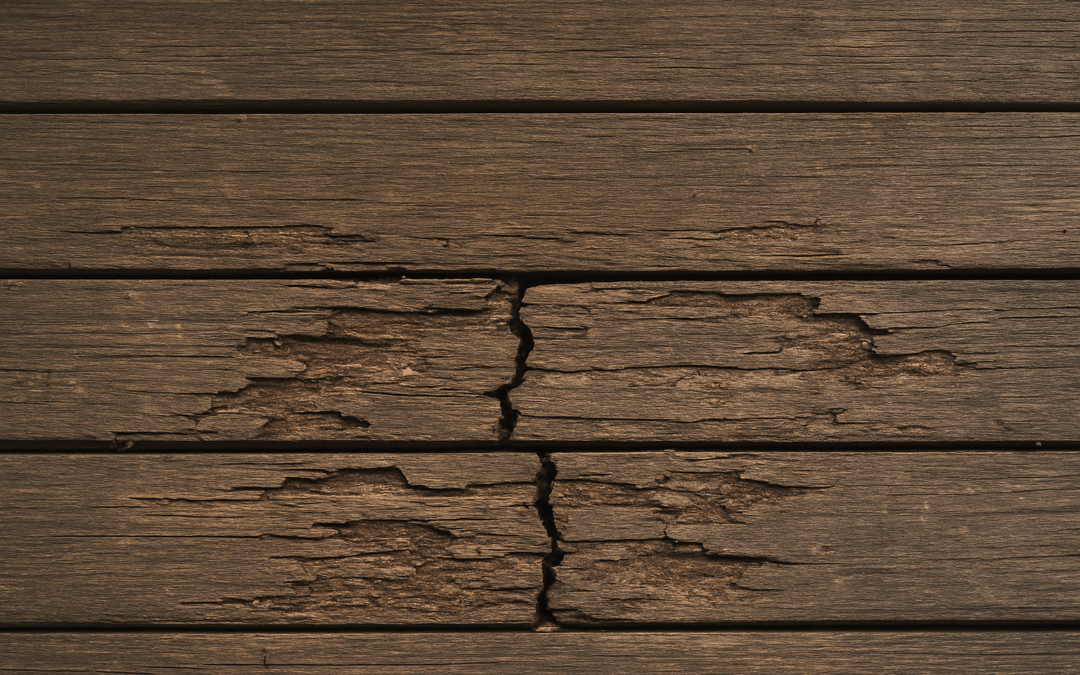
One of the greatest dangers of any deck outside is moisture. And you know why? Because it seeps into the wood and hides between boards. It settles under the surface which eventually causes warping, molding, and structural problems. So, the positive aspect is that you can avoid most of the damage by using simple care and regular maintenance. A guarded deck goes a long-way, stays cleaner ans is always secure.
Know How Moisture Destroys Wood
Moisture does not sit still. It moves along the surface and under it. Moreover, it slips into joints and settles in tiny gaps. The surface will dry rapidly following rainfall though the inner layers will take a long time. That is where decay begins. A deck can appear good on the surface but it can be weak underneath. The idea is to prevent the water from settling where it is not supposed to.
1) Maintain the Deck: Keep it Clean and Debris Free.
Dirt holds moisture. Leaves gather up in corners and decelerate. A quick sweep after rain minimizes this problem quite well.
When the deck is washed occasionally every few months it removes grime that traps water. Clean wood dries faster. It also assists in making the protective coatings bond and stay longer.
2) Use a High-Quality Sealant
A sealant creates an outer coat that prevents the entry of moisture. Some products block the harmful UV rays. Sealant should only be applied when the deck is fully dry and thus it will soak in. All decks require resealing after one or two years. When the water ceases to bead on the surface, then it is time to apply another coat.
3) Enhance the Ventilation beneath the Deck
Ventilation is essential. Still air traps moisture. Moreover, the air in motion assists in drying the structure. Clean up anything obstructing the underside. This also includes the overgrown vegetation. Proper ventilation ensures that rot will not accumulate in the long run and the deck will be healthier.
4) Keep Appropriate Spacing between Boards
Gaps help water drain. They also allow air to get on the sides of the boards. The deck remains wet longer when the gaps are filled with dirt or leaves. Spacing boards ensures that the drainage route is free, and it decreases the moisture content.
5) Eliminate Moisture Under Pieces of Furniture
Water may be trapped in outdoor rugs and heavy furniture. Rainwater is usually concealed beneath mats or planters. Relocate these things on a regular basis, say every few weeks, to allow the area to breathe. Also, it is better to select outdoor carpets that are breathable to further reduce the risk of moisture.
- Check the Deck after it rains heavily.
Stride over the deck and look for dark spots or soft spots. These could be premature moisture indicators. Solving minor problems early will help prevent bigger problems later. So, fix rotten boards before rot develops in other places.
- Guard Railings, Edges, and Ends of Boards.
The edges and railings are more exposed to the rain as compared to the center. Therefore, they need extra attention. Use sealant around rail posts and trim. Seal little cracks before they become bigger. Moreover, seal the ends of boards since they absorb water at a higher rate than the surface.
- Consider Adding a Cover
A pergola or awning can be of assistance when you live in a rainy place. This is because it decreases the amount of water deposited on your deck. It also protects the wood against the scorching sun. Part coverage reduces exposure to moisture and extends the life of a deck.
- Prevent Moisture Damage by Routine Care.
Damage from moisture accumulates gradually. But regular attention makes your deck firm and steady. Clean wood dries faster. Sealed wood resists water. Ventilated rooms remain airy and have a good ambiance. These minor measures can save your deck from year to year.
Are you all set to protect and restore your outdoor space?
Decks N Stones is always here to assist you with skilled maintenance or upgrades.
Call us today or get in touch via email.